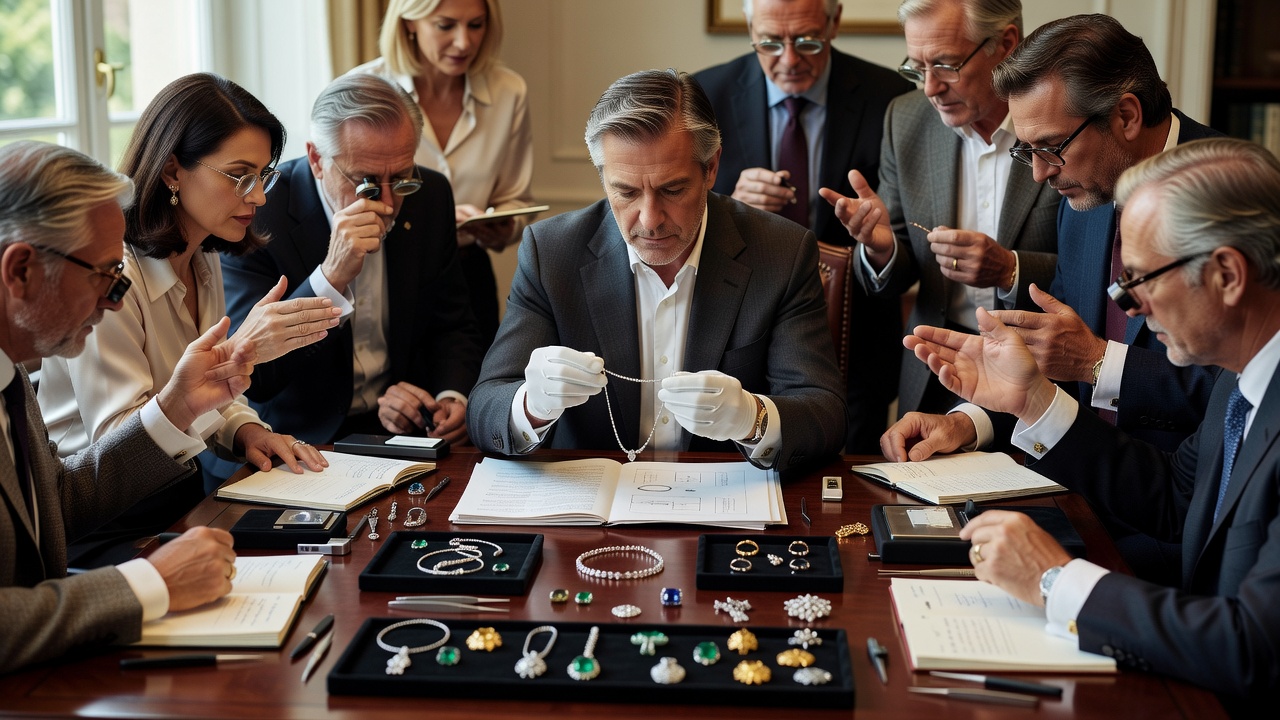
Decide what you need to know
Authentication, gem identification, condition assessment, historical research and valuation are related but distinct tasks. Explain which decision depends on the answer. An insurer may need a valuation for a specified purpose; a buyer may need an opinion about a description before a return period expires; an owner may simply want safer storage advice. The right examination begins with the right question.
Do not assume that a single report covers all those needs. Ask what the specialist will inspect, which methods may be used and what the written conclusion will actually address. Confirm fees, timing and any limitations before handing over the object. If an examination begins remotely, ask which conclusions must remain provisional until the piece can be inspected in person.
Assemble a small, traceable evidence packet
Include overall photographs, the reverse, side views, marks, fittings and any area that prompted concern. Use descriptive file names and keep unedited originals. Add dimensions and weight only if they were measured reliably, and state the method. A number copied from a seller’s listing should remain identified as a seller statement rather than becoming your own measurement.
Prepare a one-page description with three separate headings: visible features, reported history and unresolved questions. Under visible features, use neutral language. Under reported history, identify who supplied the information and when. Under unresolved questions, ask only what matters to the next decision. This structure helps the examiner distinguish evidence from an inherited or commercial narrative.
Receipts, earlier reports, repair invoices, dated photographs and correspondence can all be relevant. Preserve their context and record how each document relates to the object. A box bearing a famous name does not establish that the jewellery originally belonged in it. An old photograph may support possession at a particular time without establishing maker, material or place of manufacture.
Match the specialist to the question
A gemmologist may be well placed to investigate stone identity and treatments. An experienced antique jewellery specialist may address design, construction and market context. A conservator may be the appropriate first contact for fragile enamel, organic materials or unstable historic assemblies. An assay office can advise on relevant precious-metal marking services. Qualifications and practical experience should fit the particular task.
Organisations such as Gem-A, the Gemological Institute of America, the Institute of Registered Valuers and the National Association of Jewellers provide useful starting points for understanding credentials or professional services. Membership alone is not a guarantee of a particular conclusion. Verify current credentials directly and ask about experience with the period, materials and object type involved.
Where a purchase or dispute is involved, ask about independence and conflicts of interest. A person who also wants to buy the piece may have a different role from an examiner commissioned solely to report. Confirm who the report is addressed to, whether another party may rely on it and whether additional testing requires your prior permission. Obtain handling, insurance and transport arrangements in writing.
Ask questions that invite an explanation
Instead of asking only “Is it real?”, ask which specific claims can be supported. Are the visible components consistent with one manufacturing period? Is there evidence of later alteration? What does the hallmark establish, and what does it leave open? Which materials require testing? What observations support the proposed attribution, and what alternative explanations remain?
Request a distinction between directly observed facts, test results, comparative opinions and information supplied by you. A percentage confidence score from an image model is not a calibrated probability that the object is authentic. If AI output helped you organise the packet, label it as unverified assistance and include the original evidence rather than only the generated summary.
Read the resulting report within its scope
A gem identification report does not necessarily authenticate a mounting or establish provenance. A valuation depends on its stated purpose, market assumptions and date. A historical opinion may remain qualified because records are incomplete or important surfaces are inaccessible. Read the limitations as part of the conclusion rather than as disposable small print.
Keep the report with the photographs, correspondence and any later repair records. If another expert disagrees, compare their evidence, scope and methods before comparing their confidence. Sometimes the responsible outcome is a narrower claim, not a final yes or no. Good preparation makes that outcome useful: it shows what has been established and exactly which questions still deserve further work.
Evidence check: should I send jewellery to this website?
No. Juvimatrixwillow does not accept objects, perform examinations or issue reports. Our contact tool prepares editorial enquiries only. Arrange any physical assessment directly with your chosen qualified professional.